MAESTRO4IHL wins SPARK Innovation funding from King’s College London
Syntony and King’s College London are co-recipients of SPARK Innovation funding to develop and test MAESTRO4IHL, a threat-modelling framework for generative AI harms to people protected under international humanitarian law.

The award will take MAESTRO4IHL from design to a tested prototype. The framework helps AI developers and platform security teams find and prevent generative AI harms to people protected under international humanitarian law, and the project will put it in front of the experts and red teams who would use it.
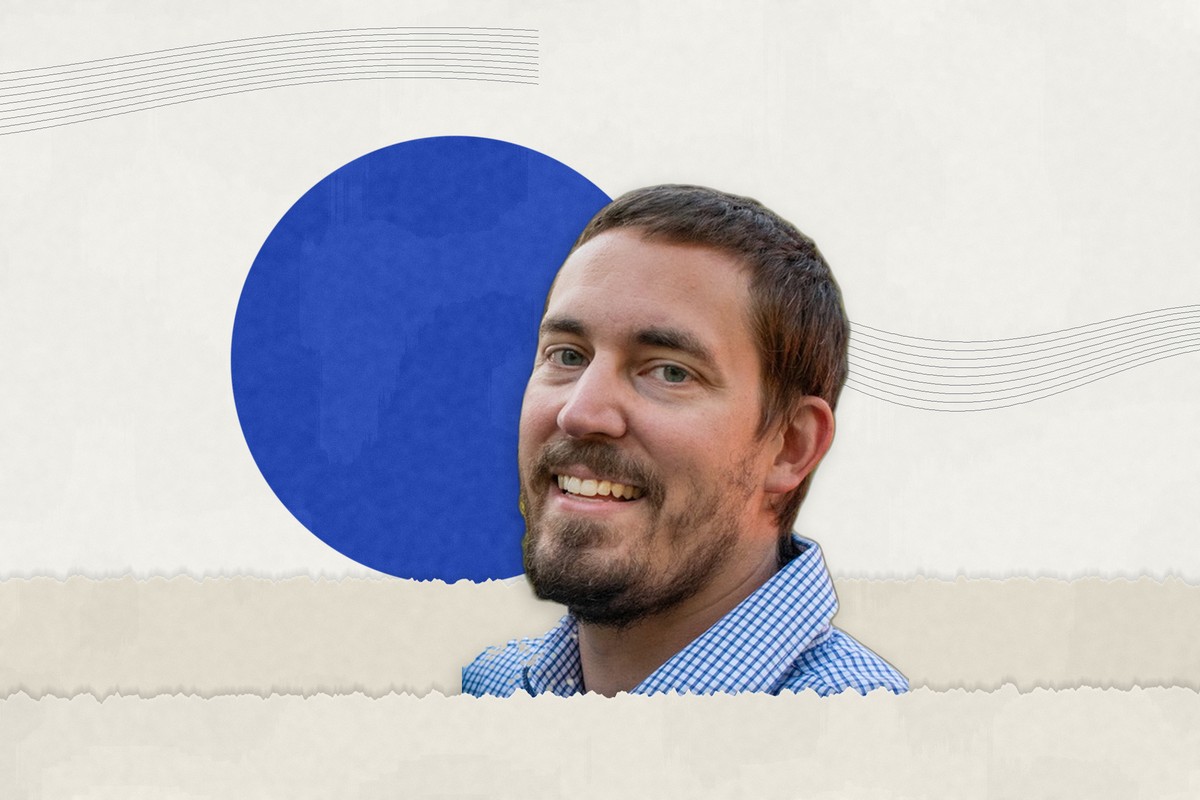
The project is led by Dr. Wm. Matthew Kennedy, an AI+ Senior Research Fellow at King’s and Syntony’s Head of Research Strategy and Evaluations, with Syntony founder Nathan Heath as co-applicant. SPARK is run by King’s Innovation Catalyst and supports researchers in the social sciences, arts, humanities, business and law who are developing ideas with partners in industry and the community.
Why prisoners of war
Most of the debate about AI and international humanitarian law is about weapons. This project looks at the people a conflict has already taken out of the fight, starting with prisoners of war.
The Third Geneva Convention protects prisoners of war in ways that depend on information. Captives must not be exposed to public curiosity. Their capture has to be recorded accurately, and they have the right to stay in touch with their families. Generative AI now makes it cheap to attack each of those protections. Synthetic propaganda can show real or invented captives. Fabricated records can corrupt the systems that track who has been captured. Impersonation can cut off or poison contact with family. Real cases are already appearing.
Generic threat models tend to miss these harms because they don’t encode the legal duties or the humanitarian processes involved. MAESTRO4IHL builds on the Cloud Security Alliance’s MAESTRO framework and turns those obligations into something red teams and platform security teams can work with.
What the project will do
Build a scenario bank. Realistic test scenarios for each of the three harms, with the legal and technical detail a security team needs to act on them.
Test the framework against a baseline. Analysts from IHL scholarship, humanitarian practice, red teaming and platform security will assess the same scenarios under MAESTRO4IHL and under a generic threat-modelling baseline. Independent scorers will grade every assessment, so the team can measure whether the framework produces more complete and consistent results.
Red team current systems. Facilitated sessions with partner red teams in the United States and Europe will test where publicly available generative models and platform safeguards hold and where they fail. Findings go into a small, access-controlled dataset.
Refine a governance matrix. The matrix sets out who is best positioned to prevent each harm, whether that is model developers, platforms, humanitarian organisations or states.
Sharing the results
The framework and governance matrix will be openly licensed. Detailed adversarial material stays on access-controlled storage. Results will be presented at a workshop in spring 2027, alongside a short report and preprint.
The work builds on research Nathan and Matt began through The AIHL Project, which they presented at UNIDIR in Geneva and at King’s earlier this year. The longer-term aim is to extend the framework beyond prisoners of war to civilians, the wounded and sick, and missing persons.
The project reflects how Syntony approaches red teaming: find the harm, then give the people responsible for it a practical way to fix it.